
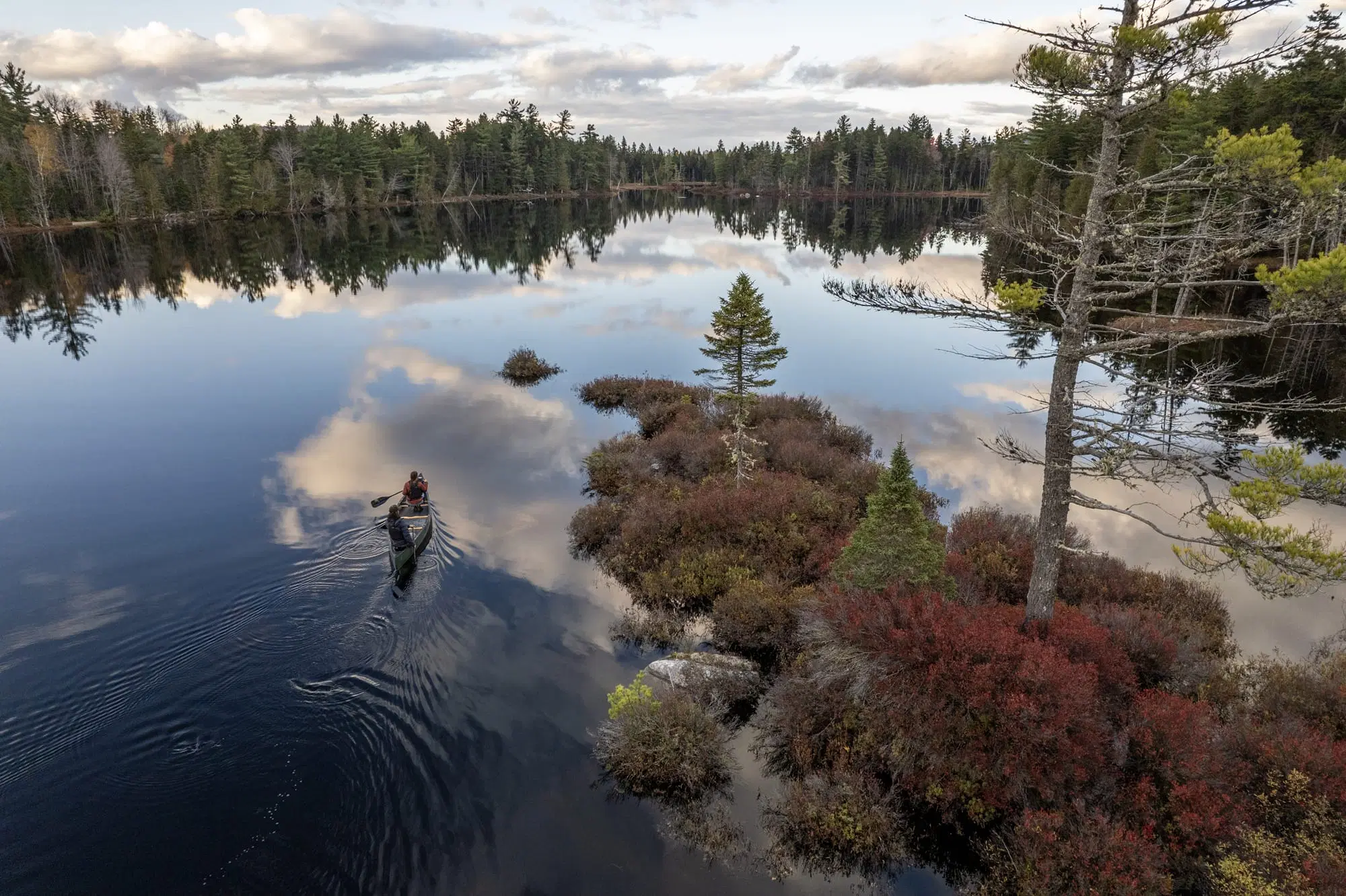
Canoeists in the East Branch of the Penobscot River | Photo: Chris Bennett
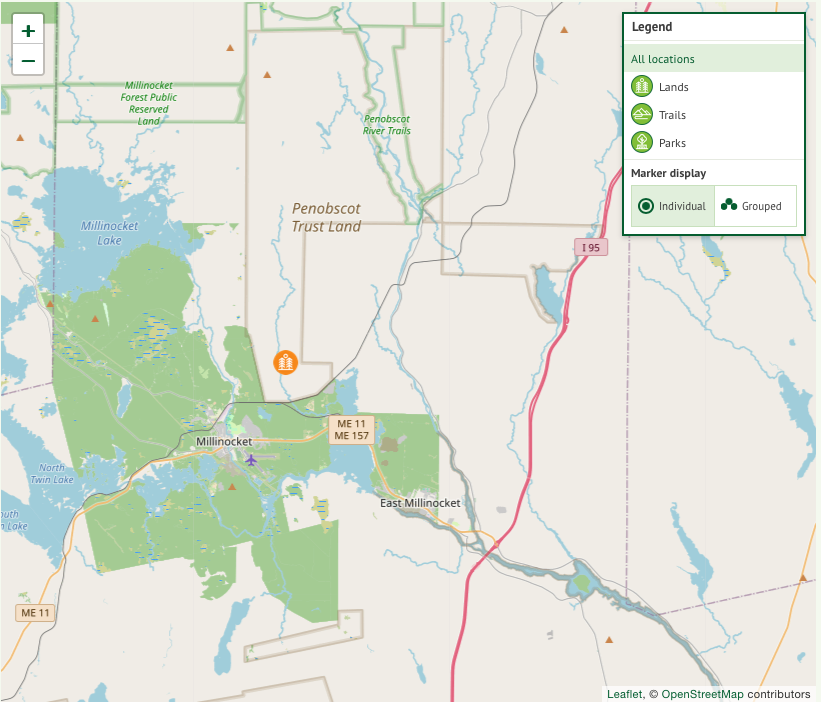
Wáhsehtəkʷ (pronounced “wah-SAH-teg”) is a landscape-scale conservation and cultural restoration project in Maine’s Katahdin Region. The property encompasses approximately 30,000 acres surrounding the East Branch of the Penobscot River near Katahdin, or ktàtən in the Penobscot language. The land is within the present and traditional homeland of Penobscot Nation, where the land, waters, plants, and wildlife remain inextricably connected to Penobscot culture and traditional lifeways. The East Branch itself is sacred to Penobscot people and is considered a citizen of the Nation and a relative of the community. Wáhsehtəkʷ brings together ecological conservation with the restoration of Penobscot stewardship.
The Trust for Public Land acquired the 31,367-acre property in 2022 as an interim owner after  learning that it was at imminent risk of sale. The project will return the majority of this land to Penobscot Nation ownership and stewardship, protecting one of the largest remaining tracts of unprotected land in the Northeast. The property lies at the heart of the Penobscot River watershed, adjacent to Katahdin Woods and Waters National Monument and near Baxter State Park.
Wáhsehtəkʷ encompasses a transition between northern boreal and southern broadleaf deciduous forests, interwoven with riparian areas, streams and rivers, freshwater wetlands and ponds, vernal pools, deer wintering areas, and inland waterfowl and wading-bird habitat. Together, these natural communities support cold-water fisheries, forest-dependent wildlife, and numerous species of conservation concern.
TPL purchased the property in December 2022 using $28 million in acquisition financing. With Atira Conservation’s support, TPL was able to pay down the loan and transfer the first 11,000 acres to Penobscot Nation on Sept. 15, 2026, completing Phase 1 of the project.
Ecological Value
Wáhsehtəkʷ protects an exceptionally large and connected forest-and-water ecosystem within the Penobscot River watershed. Its 53 miles of streams and 4,628 acres of wetlands and ponds provide critical habitat for species of high conservation need. More than 68% of the property, or 21,512 acres, is designated priority habitat for Atlantic salmon, while several ponds are State Heritage Fish Waters supporting wild, self-sustaining populations of native brook trout.
Protection of the land will safeguard water quality and cold-water habitat while maintaining a large, climate-resilient forest and important movement corridors for Atlantic salmon, Canada lynx, Eastern brook trout, moose, American eel, and other wildlife. At the landscape scale, Wáhsehtəkʷ strengthens the ecological integrity and climate resilience of the Penobscot River watershed and Maine’s North Woods.
Community Benefit
For Penobscot Nation, Wáhsehtəkʷ represents much more than land conservation. It restores stewardship within the Nation’s ancestral homeland, advances tribal and economic sovereignty, and provides access to clean water, subsistence species, cultural materials, and places for traditional and cultural practices. For the broader community, the project protects clean water and wildlife habitat, expands opportunities for outdoor recreation, improves access to Katahdin Woods and Waters National Monument, and supports the outdoor-recreation economy of surrounding Katahdin-region communities.
National, State & Regional Significance
Wáhsehtəkʷ represents one of the largest land return efforts in the U.S., advancing tribal and economic sovereignty for Penobscot Nation and serving as a national model for land return at scale. The project also protects one of the largest remaining tracts of unprotected land in the Northeast and helps create a network of more than 1.2 million acres of connected conserved lands, linking Penobscot lands with Katahdin Woods and Waters National Monument, Baxter State Park, the Appalachian Trail, Debsconeag Wilderness, the 100-Mile Wilderness, and the Allagash Wilderness Waterway. The property lies within Maine’s East Branch Penobscot–Seboeis–Wassataquoik Stream Focus Area of Statewide Ecological Significance. Together, its scale, connectivity, ecological importance, and restoration of Penobscot stewardship make Wáhsehtəkʷ a project of national, state, and regional significance.
- Total Transaction Cost: $29,584,000
- Atira Conservation Support: $61,000
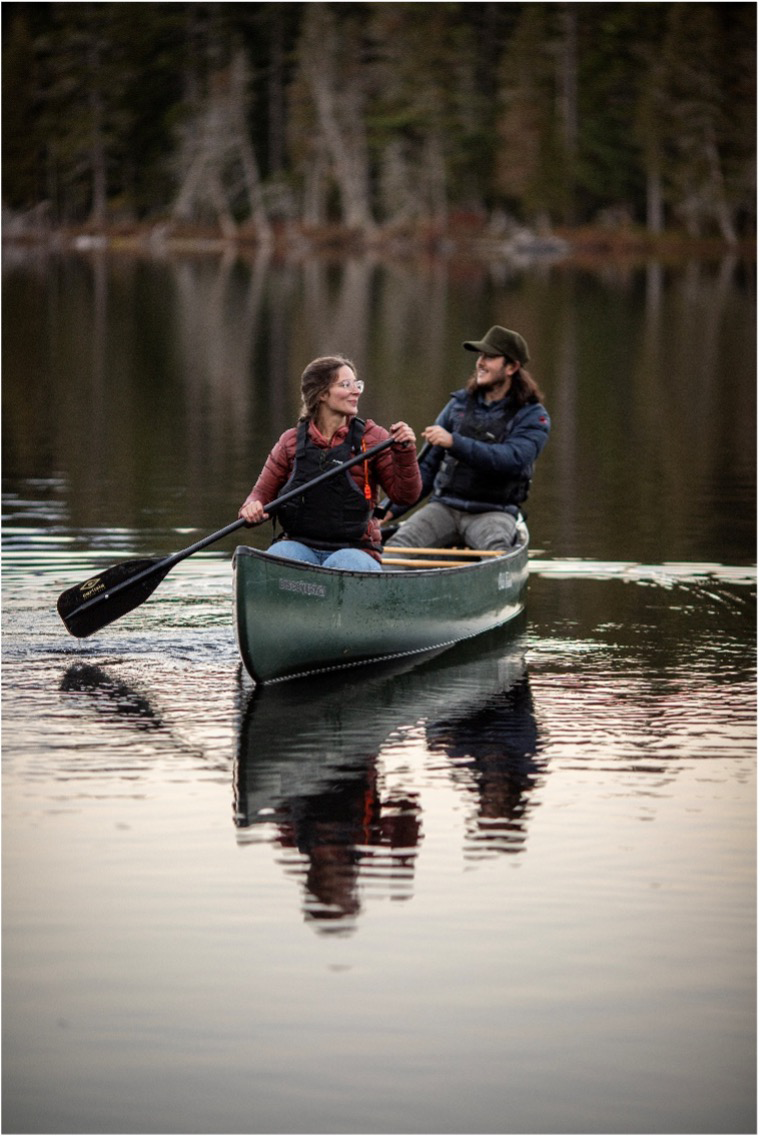
Canoeing in the Wáhsehtəkʷ conservation and cultural restoration project area | Photo: Chris Bennett
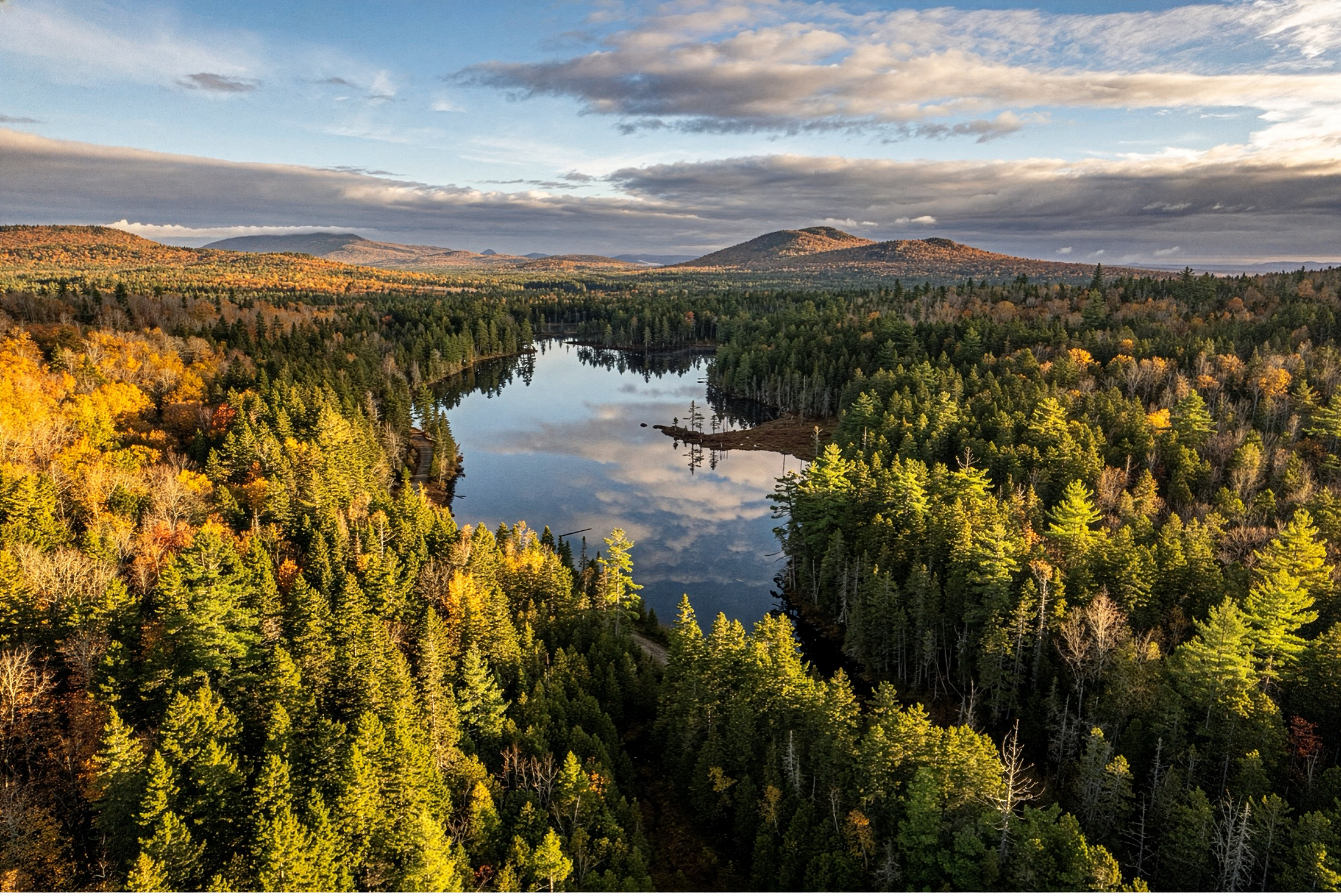
The Wáhsehtəkʷ conservation and cultural restoration project area | Photo: Chris Bennett