
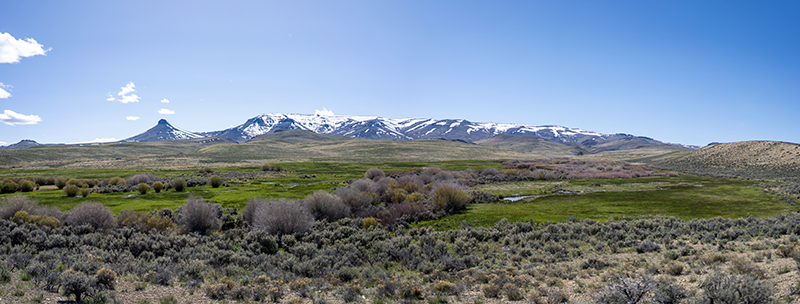
Disaster Peak’s summit and the Trout Creek Mountains are visible from the Disaster Peak Ranch | Photo: Tim Green
Disaster Peak Ranch
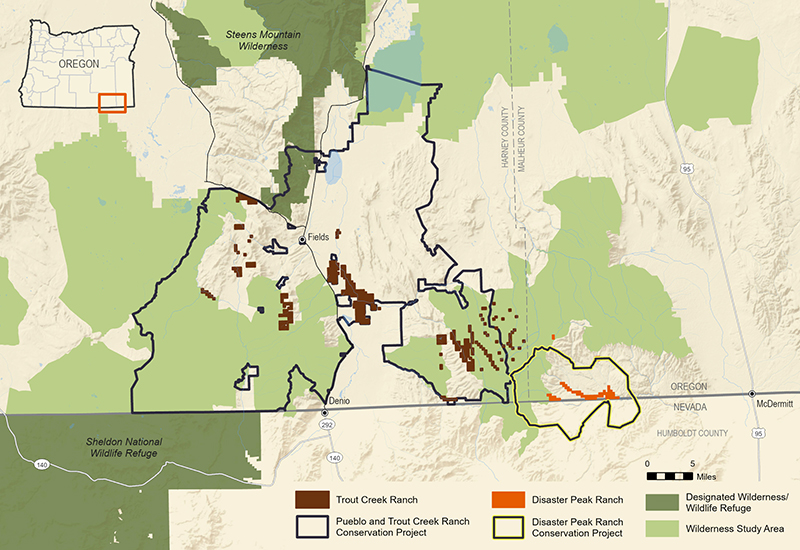
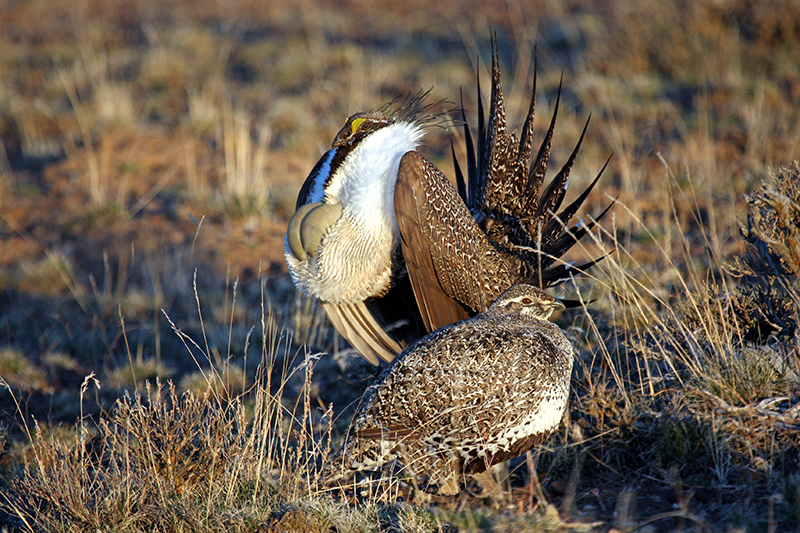
In the remote, arid reaches of southeast Oregon, the Oregon Desert Land Trust (ODLT)  expanded the Trout Creek Ranch and Pueblo Mountains Conservation Project in 2026 by purchasing Disaster Peak Ranch. Atira Conservation helped acquire the 2,690-acre property that protects more than 18 miles of McDermitt Creek and key tributary streams — waters home to one of the West’s most imperiled fish: Lahontan cutthroat trout. This species once thrived across thousands of miles of streams in the Great Basin. They are now on the brink of extinction as their pristine, cold-waters have disappeared over a century, coupled with hybridization and competition from non-native fish. Restoration efforts here will double their habitat by reconnecting 55 miles of streams. This project also furthers restoration in the Trout Creek Mountain Priority Area of Concern — one of Oregon’s most significant population strongholds for greater sage-grouse.
Conservation at a Landscape-Scale
When ODLT purchased Trout Creek Ranch in 2021, 16,645 acres of private land and over 500,000 acres of public grazing permits were secured. Disaster Peak Ranch sits southeast of Trout Creek Ranch, and their grazing allotments connect at the summit of the Trout Creek Mountains. These adjacencies create a conservation effort stretching 75 miles from west of the Pueblo Mountains to the Oregon Canyon Mountains, near McDermitt on the Oregon/Nevada border. This project allows ODLT to restore and conserve immense expanses of land and critical water sources, and play a key role in mitigating the potential impacts of proposed mining in the region.
Conservation of Disaster Peak Ranch will:
- Enhance Conservation Areas: These lands include a private inholding within the 51,290-acre Fifteenmile Creek Wilderness Study Area, which is currently proposed for permanent protection as wilderness by Oregon’s congressional delegation. More than 90% of the ranch is within The Nature Conservancy’s Resilient and Connected Landscapes. These highly resilient lands are closely connected to other important habitats in the Columbia Plateau.
- Conserve Fish & Wildlife Habitat: The ranch falls directly within Oregon Department of Fish and Wildlife-identified Priority Wildlife Connectivity Areas. Lahontan cutthroat recovery efforts have been deemed imperative by the U.S. Fish and Wildlife Service and the area is home to some of the highest densities of greater sage-grouse in the U.S. Conservation also benefits the Columbia spotted frog, pygmy rabbit, California bighorn sheep and many other high desert species.
- Protect Cultural Resources: These lands are part of the traditional homelands of the Numu, who are commonly known as Northern Paiute. The Shoshone
(Newe) and Bannock peoples also share deep connections with this area. The project helps grow partnerships with regional tribes to restore access of their historical homelands and expand cultural preservation opportunities. Conserving Working Lands Grazing permits on 56,774 acres of surrounding public lands create opportunities to partner with local
ranchers on adaptive management and regenerative agricultural approaches that benefit conservation and restoration
across a vast landscape.
- Total Transaction Cost: $6,051,989
- Atira Conservation Support: $19,300
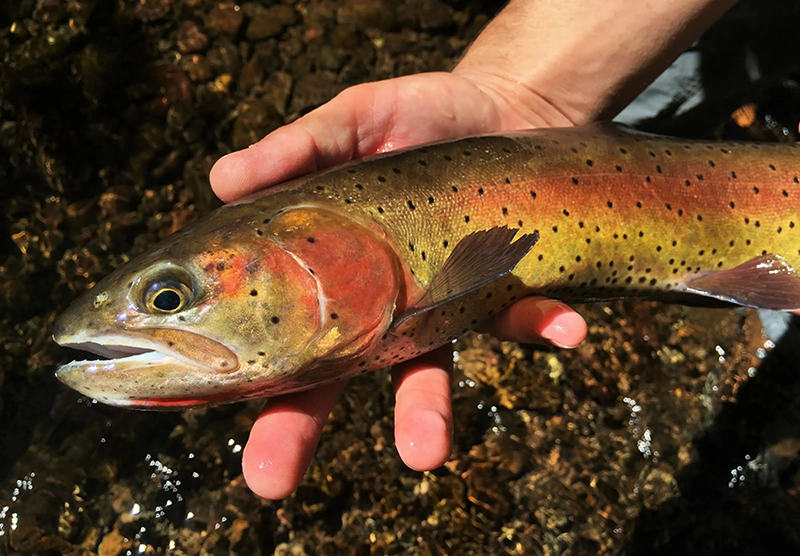
Lahonton cutthroat trout are listed under the Federal Endangered Species Act | Trout Addict
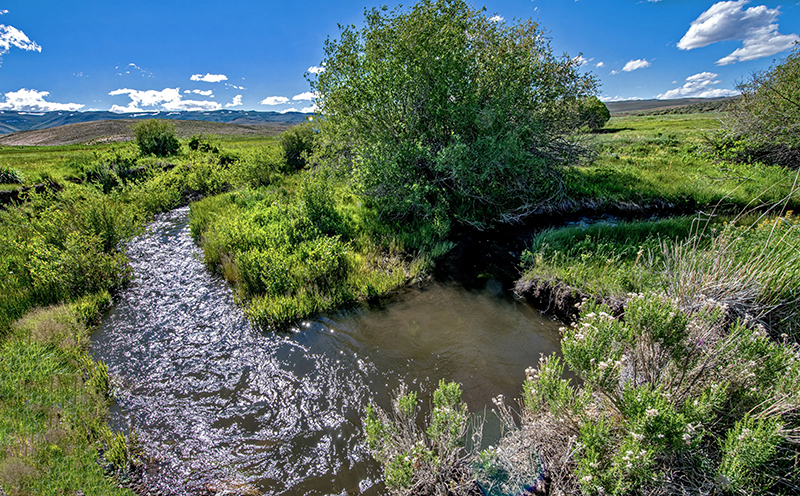
More than 18 miles of McDermitt Creek and key tributary springs are now protected for trout | Photo: Sage Brown
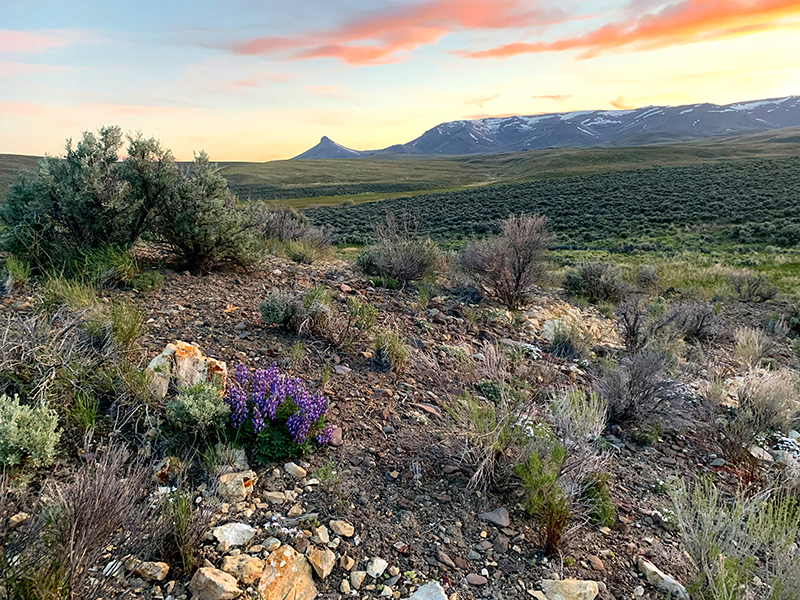
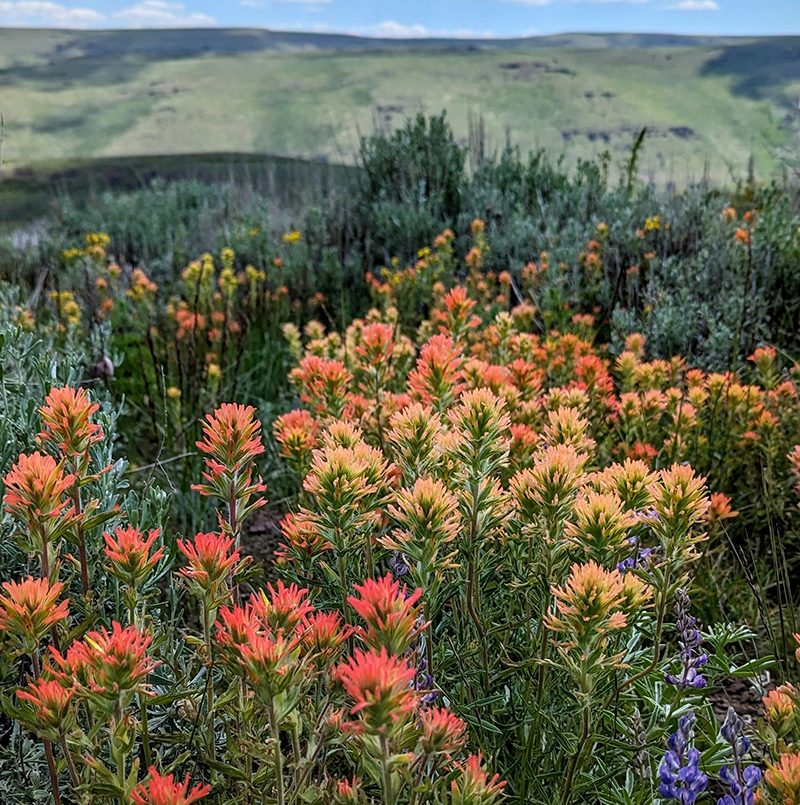
Disaster Peak Ranch | Photo: Brent Fenty