
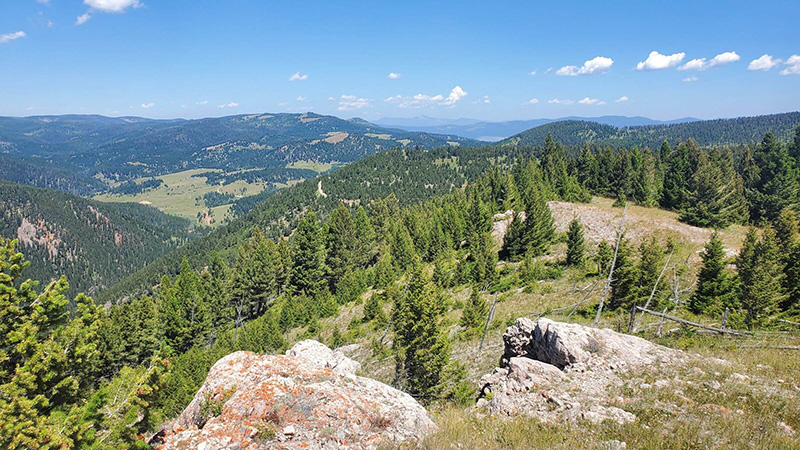
The Warm Springs Creek project protects 800 acres in the Garnet Mountains, linking the Northern Continental Divide, Selway-Bitterroot and Greater Yellowstone ecosystems | Photo: Mitch Doherty
GARRISON, MONTANA | Vital Ground Foundation. June 11, 2026
An 800-acre expanse of forest, meadows and wetlands in a key wildlife movement  area in Western Montana will be protected from future subdivision and development as its landowners, Greg and Star Batchelor, completed a conservation easement with the Vital Ground Foundation this week.
With major support for the effort from the Yellowstone to Yukon Conservation Initiative (Y2Y), the Warm Springs Creek Project sits in the Garnet Mountains, north of Interstate 90 and the town of Garrison. The area is part of a linkage zone helping connect the Northern Continental Divide, Selway-Bitterroot and Greater Yellowstone ecosystems, with the project site seeing frequent traffic from grizzly bears, elk and many other species moving between the Blackfoot Valley to the north and the Upper Clark Fork Valley to the south. Lying within a checkerboard of mixed public and private land, the agreement ensures a continued habitat  anchor in the area and protection of its rural, scenic character.
“We think of ourselves as conservationists and believe in managing the land so that when we’re gone, it’s better than the way we found it,” said Greg Batchelor. “We know that more and more people are moving into the Treasure State and this is our part of preserving Montana for future generations to enjoy. We also value the many animals that live here and want to provide them a permanent home.”
Key Ground for Grizzlies and Other Wildlife
As grizzly bears continue to return to more of their historic range in Montana, protecting habitat along connectivity paths like Warm Springs Creek allows bears and many other species to move safely between wild strongholds.
Each of the three large ecosystems near the project is a federally designated grizzly 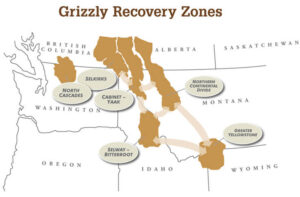 bear recovery zone, although the Bitterroots remain without a documented resident grizzly population and no natural connectivity exists between the Northern Continental Divide and Greater Yellowstone populations. More bears have been moving south into the project area in recent years, however, dispersing south out of the Blackfoot Valley into the connectivity zone conservationists call the High Divide that bridges West Central and Southwest Montana.
"These are important areas where bear populations are coming back and where private lands help to build the greater web of connectivity," said Eric Greenwell, Senior Connectivity Specialist at Y2Y. "We are grateful to these landowners for valuing the balance of their own livelihoods with the needs of wildlife. Y2Y is proud to partner with Vital Ground on this and other connectivity projects in the region."
Featuring lush wetlands, mixed conifer forest and a high subalpine ridge, the project site includes some of the spring-fed headwaters of Warm Springs Creek, where a rare, genetically-pure strain of Westslope cutthroat throat endures above a waterfall that prevents non-native crossbreeding. Terrestrial species also 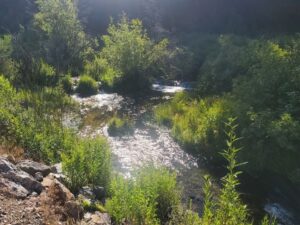 thrive across the acreage—a resident elk herd patrols the property’s high meadows in summer with larger herds of elk and mule deer moving through along with wolves, mountain lions, Canada lynx and wolverine, all of which the landowners have documented crossing the property.
“It’s great habitat for all kinds of animals,” said Batchelor. “Grizzly bears are one thing that frequently go through.
You can tell when they’re around because the black bears aren’t, but we’ve never had any encounters with them. They’re all well-behaved so it works out. We’re respectful of them and all the other animals.”
Long-Term Vision
With public lands and other protected private lands bordering much of the project area, completing a long-term conservation outcome for it ensures a core of intact open space will remain against the backdrop of regionwide development pressures. Despite its rural setting, the Garnet Range is not immune to those pressures given its mix of public and private ownerships and relative proximity to the population centers of Missoula, Helena and Butte.
“This project is important for grizzly bear recovery because it helps close the gap between the Northern Continental Divide and Greater Yellowstone populations, and it’s also important for other wildlife and for anyone who appreciates the open space and scenic landscapes of Western Montana,” said Mitch Doherty, Conservation Director for Vital Ground. “It’s inspiring to work with landowners who recognize that conserving their land carries these broad benefits.”
Under the conservation agreement, the Batchelors’ stewardship of the site will prioritize maintaining its wetlands and open meadows and controlling the spread of invasive weeds. By protecting the headwaters of Warm Springs Creek, ongoing habitat stewardship will also carry long-term positive impacts for water quality and water storage throughout the Upper Clark Fork Basin. Because of its significance in regional connectivity for grizzlies and other wildlife, the project fits squarely within Vital Ground’s One Landscape conservation strategy. Initially launched in 2019, the initiative prioritizes roughly 200,000 acres of conservation opportunities on private lands that help connect the Northern Rockies’ wild public land strongholds. In addition to the landowners and Y2Y, support for the project came from Atira Conservation and numerous individuals who contributed to Vital Ground’s crowdfunding campaign for the project.
About Vital Ground
An accredited land trust and 501(c)(3) organization, Vital Ground conserves habitat for grizzly bears and other wildlife in the Northern Rockies. Founded in 1990 and based in Missoula, Mont., the organization also partners with communities to prevent conflicts between bears and people.